









Summary
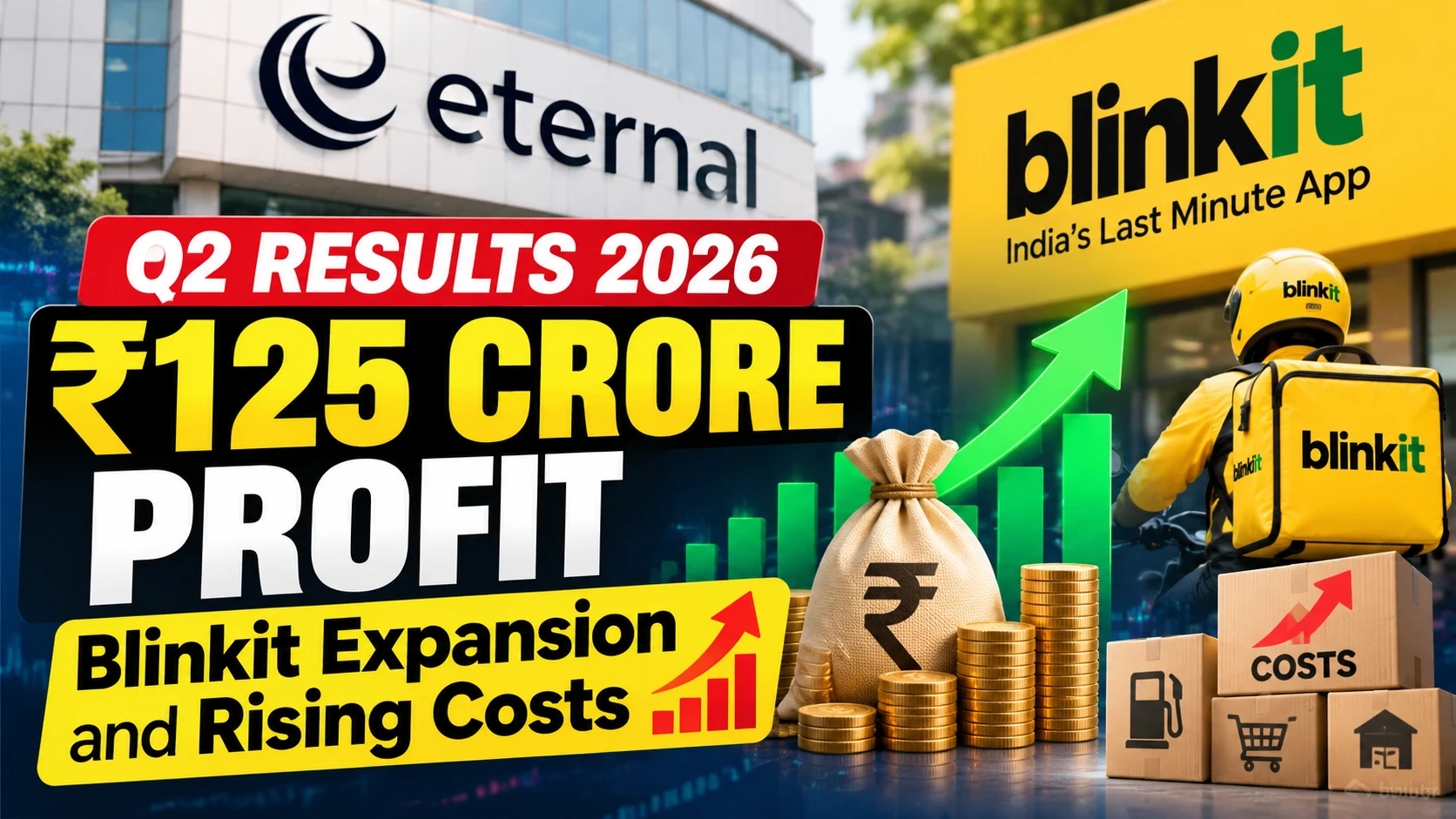
- Eternal Limited, parent company of Zomato and Blinkit, reported consolidated net profit of ₹125 crore, up 92.3% year-on-year.
- Revenue from operations increased 77.6% to ₹24,138 crore.
- Profit nevertheless fell short of analyst expectations of approximately ₹271 crore, according to Reuters.
- Blinkit’s net order value increased 79.3% to ₹20,940 crore.
- Blinkit added 308 net stores during the quarter, expanding its network to 2,751.
- Management raised its Blinkit expansion target to more than 3,500 stores by March 2027.
- Eternal reported consolidated adjusted EBITDA of ₹666 crore, up 197% year-on-year.
- Higher operating expenses, depreciation and expansion-related costs remain important considerations for investors.
Eternal Announces Q2 FY27 Financial Results
Eternal Limited, the listed parent company of Zomato, Blinkit, District and Hyperpure, announced its financial results for the quarter ended 30 September 2026 on Wednesday, 21 October.
The company reported a consolidated net profit of ₹125 crore, compared with ₹65 crore in the same period last year.
This represents growth of approximately 92.3%.
Revenue from operations rose 77.6% to ₹24,138 crore from ₹13,590 crore in Q2 FY26.
The increase reflects continued growth across the company’s digital-commerce businesses, especially Blinkit.



However, the headline figures tell only part of the story.
Despite almost doubling its quarterly profit, Eternal fell short of the profit expected by market analysts.
Reuters reported that the average analyst estimate compiled by LSEG was approximately ₹271 crore.
This gap highlights the importance of examining operating costs, business expansion and profitability instead of relying exclusively on revenue growth.
Eternal Q2 FY27: Financial Highlights
| Financial indicator | Q2 FY26 | Q2 FY27 |
|---|---|---|
| Revenue from operations | ₹13,590 crore | ₹24,138 crore |
| Consolidated net profit | ₹65 crore | ₹125 crore |
| Total expenses | ₹13,813 crore | ₹24,166 crore |
| Consolidated adjusted revenue | Approximately ₹13,968 crore | ₹24,621 crore |
| Consolidated adjusted EBITDA | ₹224 crore | ₹666 crore |
| Blinkit net order value | Approximately ₹11,679 crore | ₹20,940 crore |
Sources: Eternal’s official Q2 FY27 shareholder update and published consolidated results. Adjusted financial metrics are company-defined measures and differ from statutory revenue and profit.
The distinction between reported revenue, adjusted revenue and net order value is particularly important for digital-commerce companies.
These measures track different aspects of their business models and should not be treated as interchangeable.
Why Did Eternal’s Profit Miss Estimates?
Eternal’s consolidated profit increased from ₹65 crore to ₹125 crore.
However, analysts had expected substantially higher earnings.
The company reported total expenses of ₹24,166 crore, compared with ₹13,813 crore in the previous year’s quarter.
Expenses therefore increased alongside rapid business expansion.
Significant spending categories include delivery-related expenditure, employee costs and depreciation.
Blinkit’s continuing store expansion also requires investment in infrastructure, technology and working capital.
The important question for investors is whether new stores can generate sufficient demand and margins to justify their cost over time.
A company can report rapid revenue growth while experiencing pressure on its bottom-line profit.
Similarly, higher adjusted EBITDA does not necessarily translate into the same growth in profit after depreciation, finance costs and taxes.
Blinkit Becomes the Major Growth Driver
Blinkit remained a central contributor to Eternal’s revenue growth.
The quick-commerce business reported net order value of approximately ₹20,940 crore during Q2 FY27, an increase of 79.3% year-on-year.
Its reported revenue increased 93.6% to ₹19,152 crore.
However, Blinkit’s reported revenue is affected by the company’s first-party commerce model, under which the accounting treatment includes the relevant value of merchandise sold.
As a result, comparing reported revenue between periods requires attention to business-model and accounting changes.
Eternal’s official shareholder update states that consolidated adjusted revenue grew 76% year-on-year, while the corresponding like-for-like growth rate was 58%.
Read Also: LTTS Share Price Jumps Nearly 15% After Q2 Results: ₹548 Crore Profit, ₹20 Dividend and AI Deals
That difference is significant.
Investors should not interpret the full increase in reported revenue as representing identical growth in customer spending or operating profitability.
Blinkit Adds 308 Stores
One of the quarter’s biggest developments was Blinkit’s physical-network expansion.
The company added 308 net new stores during July–September 2026.
Its total store count reached 2,751, compared with 2,443 at the end of June.
These small fulfilment centres, commonly called dark stores, support rapid delivery of groceries, household products and other goods.
Expanding the network can improve coverage, delivery times and available product ranges.
However, new locations also create expenses before they achieve efficient utilisation.
Rent, staffing, inventory, technology and delivery operations must be managed carefully.
The company reported that average monthly transacting customers increased to approximately 37 million.
This suggests continued expansion in the platform’s customer base.
Blinkit Raises Its Store Expansion Target
Eternal has increased its Blinkit store target for March 2027.
The company now expects the network to exceed 3,500 stores, compared with its earlier goal of approximately 3,000.
Management has also outlined an ambition to reach around 5,000 stores by March 2028.
These are future expansion targets, not stores already opened.
The company expects opportunities in smaller cities and additional product categories to support further growth.
However, meeting the target will depend on site availability, customer demand, capital expenditure and execution.
Investors should also monitor whether the company maintains service quality while expanding rapidly.
Is Blinkit Becoming More Profitable?
Blinkit reported adjusted EBITDA of approximately ₹184 crore during the September quarter, compared with ₹102 crore in the preceding quarter.
Its adjusted EBITDA margin improved from approximately 0.6% to 0.9% of net order value.
This is a positive operational development.
Management has indicated that more mature markets are generating stronger margins.
According to the company’s commentary, mature cities have achieved adjusted EBITDA margins above 5%.
However, that figure should not be interpreted as the margin for Blinkit’s entire national network.
Newer stores may have lower order density and higher initial operating costs.
The sustainability of Blinkit’s profitability will depend on mature-store performance, customer retention, competition and efficiency.
More Stories

India October PMI 2026: Business Growth Hits 4-Month High, but Hiring Slows
GST Reforms From November 1, 2026: Easier Registration, Faster Refunds and ₹10,000 Notice Proposal
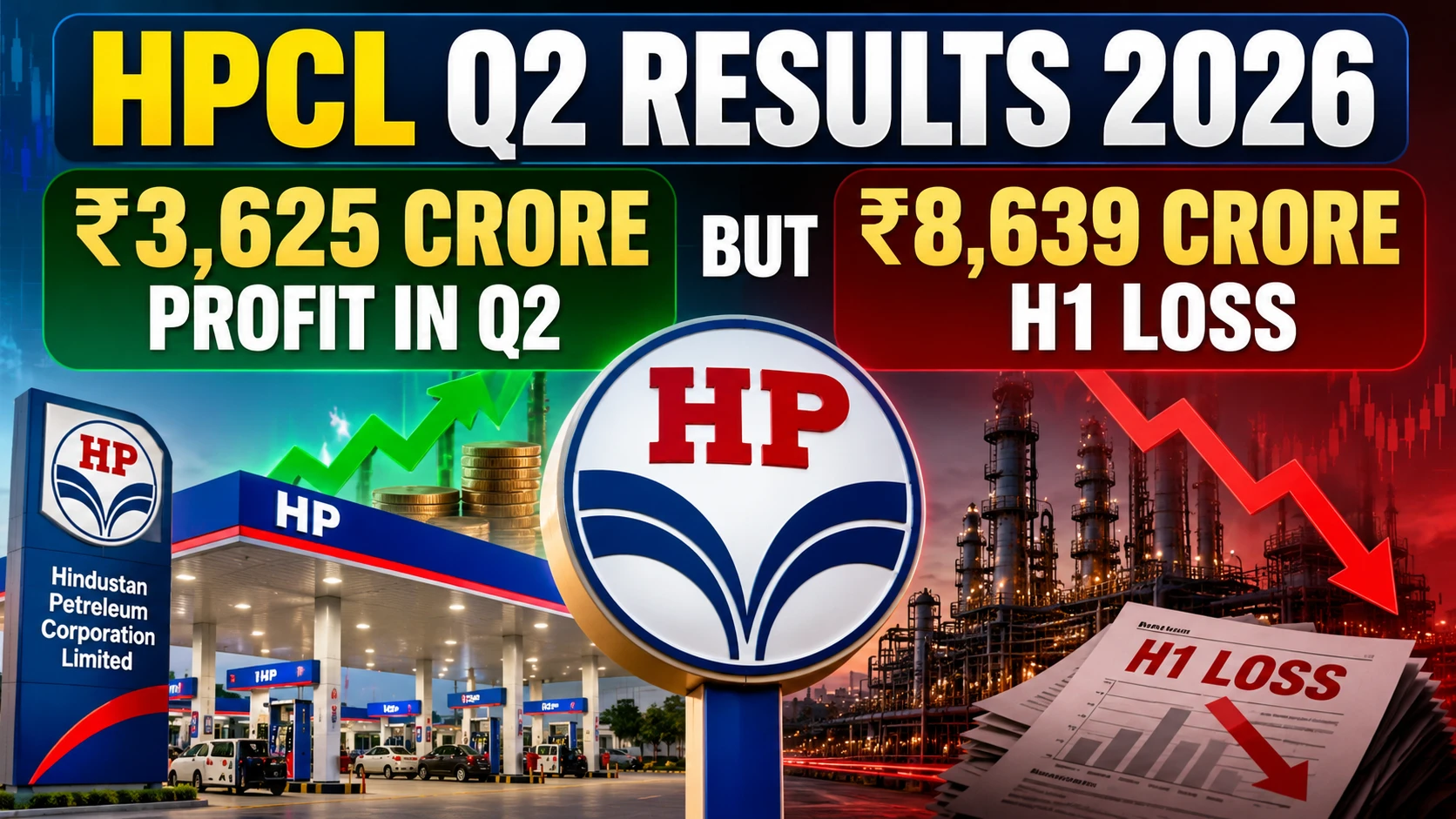
HPCL Q2 Results 2026: ₹3,625 Crore Profit After Q1 Loss, but Half-Year Remains in Red
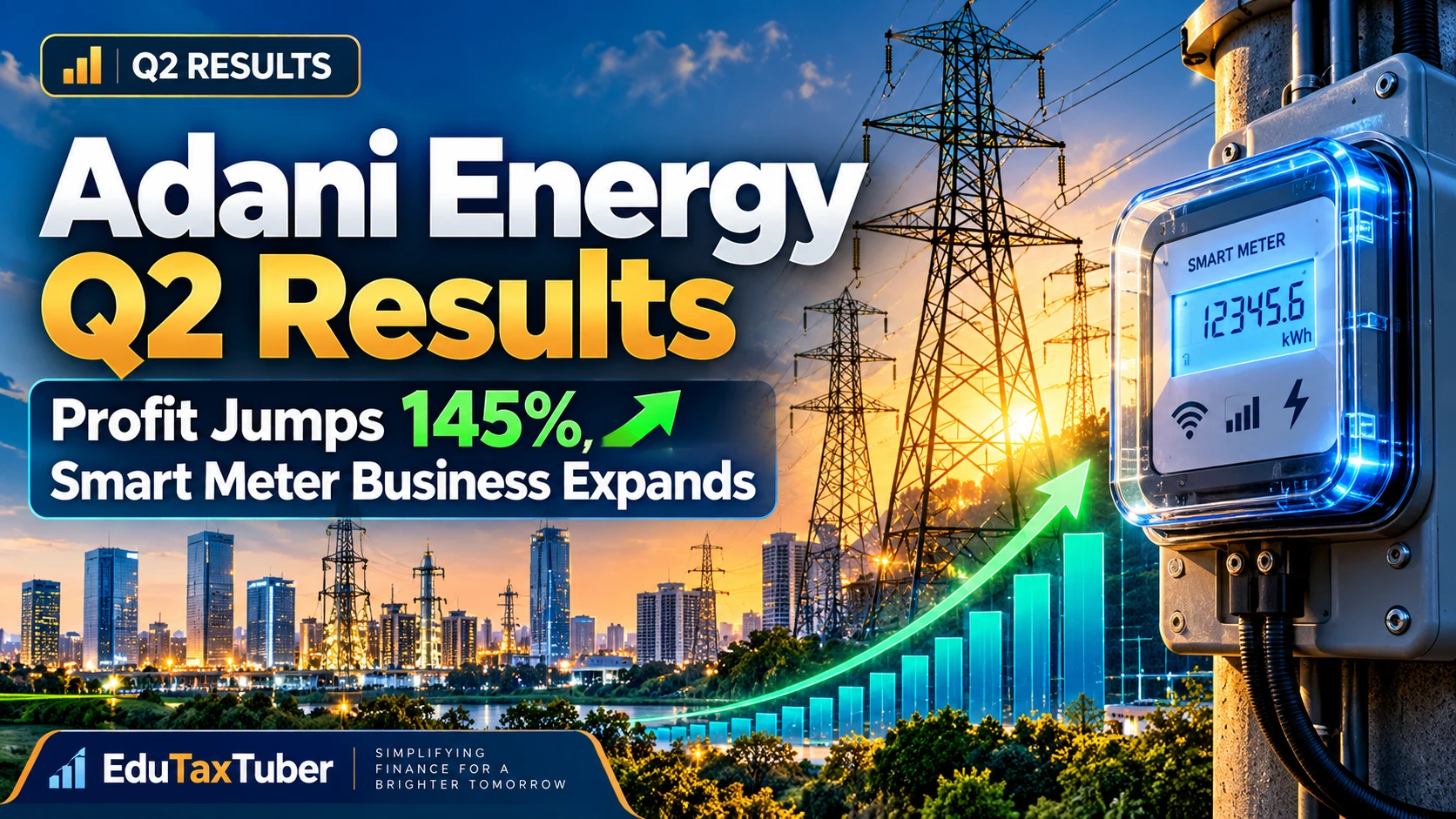
Adani Energy Q2 Results 2026: Profit Jumps 145% to ₹1,364 Crore, Smart Meter Business Expands


Zomato Food Delivery Performance
Eternal’s food-delivery business, operating through Zomato, also recorded growth.
Its net order value increased approximately 21.5% year-on-year to ₹11,445 crore.
Adjusted EBITDA rose around 25% to ₹627 crore.
The food-delivery business remains an important source of operating profit for the group.
Unlike rapid-delivery grocery services, food delivery generally operates with a different supply chain and merchant relationship structure.
The financial performance of these businesses should therefore be evaluated separately.
Investors should monitor order frequency, delivery economics, restaurant commissions and customer acquisition costs.
Growth in order value does not always imply equivalent growth in revenue or profit.
What Is Net Order Value?
Net order value, or NOV, is a company-reported operating metric used to measure the value of orders placed through its platforms after relevant adjustments.
It differs from revenue recognised in the financial statements.
For example, when a customer buys groceries worth ₹1,000, the value of the transaction and the revenue recognised by a platform can differ depending on whether the platform acts as a principal or an agent.
These accounting distinctions are important when comparing Blinkit, Zomato and competing platforms.
Investors should avoid comparing NOV, adjusted revenue and statutory revenue as though they represent the same amount of money earned by the company.
Eternal’s Other Business Segments
Eternal also operates District and Hyperpure.
District is associated with experiences, entertainment and going-out services.
The going-out business reported approximately ₹3,259 crore in net order value, representing growth of around 58% year-on-year.
However, it continued reporting an adjusted EBITDA loss.
Hyperpure serves restaurants and other food businesses through its supply-chain operations.
The business reported revenue growth and improving profitability during the quarter.
Although these segments are smaller than Blinkit and Zomato, they contribute to Eternal’s broader business diversification.
Their investment requirements and financial risks may differ significantly.
Why Is Quick-Commerce Competition Important?
India’s quick-commerce market has attracted substantial investment.
Blinkit competes with platforms including Swiggy Instamart, Zepto, BigBasket and other rapid-delivery services.
Competition can influence delivery charges, discounts, selection, customer retention and operating margins.
As companies expand into more cities, maintaining profitability may become increasingly complex.
A rapidly growing delivery network can offer customers convenience, but investment requirements remain substantial.
The long-term results will depend on whether demand at new stores is sufficient to cover their operating costs.
Read Also: ixigo Q2 Results: Profit Reaches ₹63.42 Crore, Revenue Rises 13% as Hotels Business Expands
What Happened to Eternal Shares?
Eternal shares came under selling pressure during Wednesday’s trading session.
Moneycontrol reported the stock trading approximately 3.4% lower around the time of the results coverage.
However, investors should distinguish intraday price movements from final closing prices.
It is also important to avoid assuming that the entire decline was caused by the financial results.
Share prices are affected by market sentiment, expectations, valuations and trading activity.
The results were announced during the trading day, and market reactions can change as investors assess further information.
What Should Investors Watch Next?
Several indicators deserve attention during the next few quarters.
The first is Blinkit’s progress towards its revised store targets.
The second is whether its adjusted EBITDA margin continues improving despite the cost of opening new locations.
Third, Zomato’s food-delivery growth and cash generation will remain important.
Fourth, consolidated profitability should be compared with the company’s capital expenditure, depreciation and working-capital requirements.
Investors should also consider the cash balance, competitive pressures and the valuation at which Eternal’s shares trade.
A high-growth business can offer opportunities while still carrying substantial execution and valuation risks.
Conclusion
Eternal reported a 92.3% increase in Q2 FY27 consolidated net profit to ₹125 crore, supported by strong growth in Blinkit and its broader digital-commerce operations.
Revenue climbed nearly 78% to ₹24,138 crore.
Blinkit expanded to 2,751 stores and raised its next store-count target to more than 3,500 by March 2027.
However, higher operating costs contributed to reported profit falling short of analyst expectations.
The central takeaway is that Eternal’s growth remains strong, but investors should assess sustainable profits, store economics and cash generation rather than treating rapid revenue expansion as a guarantee of higher returns.
Official and Credible Sources
- Eternal — Q2 FY27 Shareholders’ Letter and Results
- Eternal — Official Financial Results and Presentations
- Reuters — Eternal Q2 Profit and Blinkit Expansion
- Moneycontrol — Blinkit Expansion Target
Disclaimer: This article was prepared with AI assistance and editorial research using official company information and financial reporting. The material is intended for general information and education, not investment, tax or legal advice. Company projections are not guarantees. EduTaxTuber disclaims liability for losses arising from reliance on inaccurate or outdated information to the extent permitted by applicable Indian law.
Disclaimer: EduTaxTuber provides content for general educational and informational purposes only. While we make reasonable efforts to keep the information accurate and updated, laws, regulations, market conditions, software features, and other information may change. Some content may be created or assisted by AI tools and may contain errors or omissions. Readers should verify important information with official sources or qualified professionals before making any tax, legal, financial, investment, business, or other decisions. EduTaxTuber does not guarantee the completeness or accuracy of the information and does not provide professional advice.